August 20, 2025 – Williams Lake, BC
Tŝilhqot’in Nation Warns Salmon are Still at Risk From 2024 Tŝilhqox Landslide
One year after the Tŝilhqox (Chilcotin River) landslide, the Tŝilhqot’in Nation is warning that the most serious impacts on salmon and the river system may still be ahead.
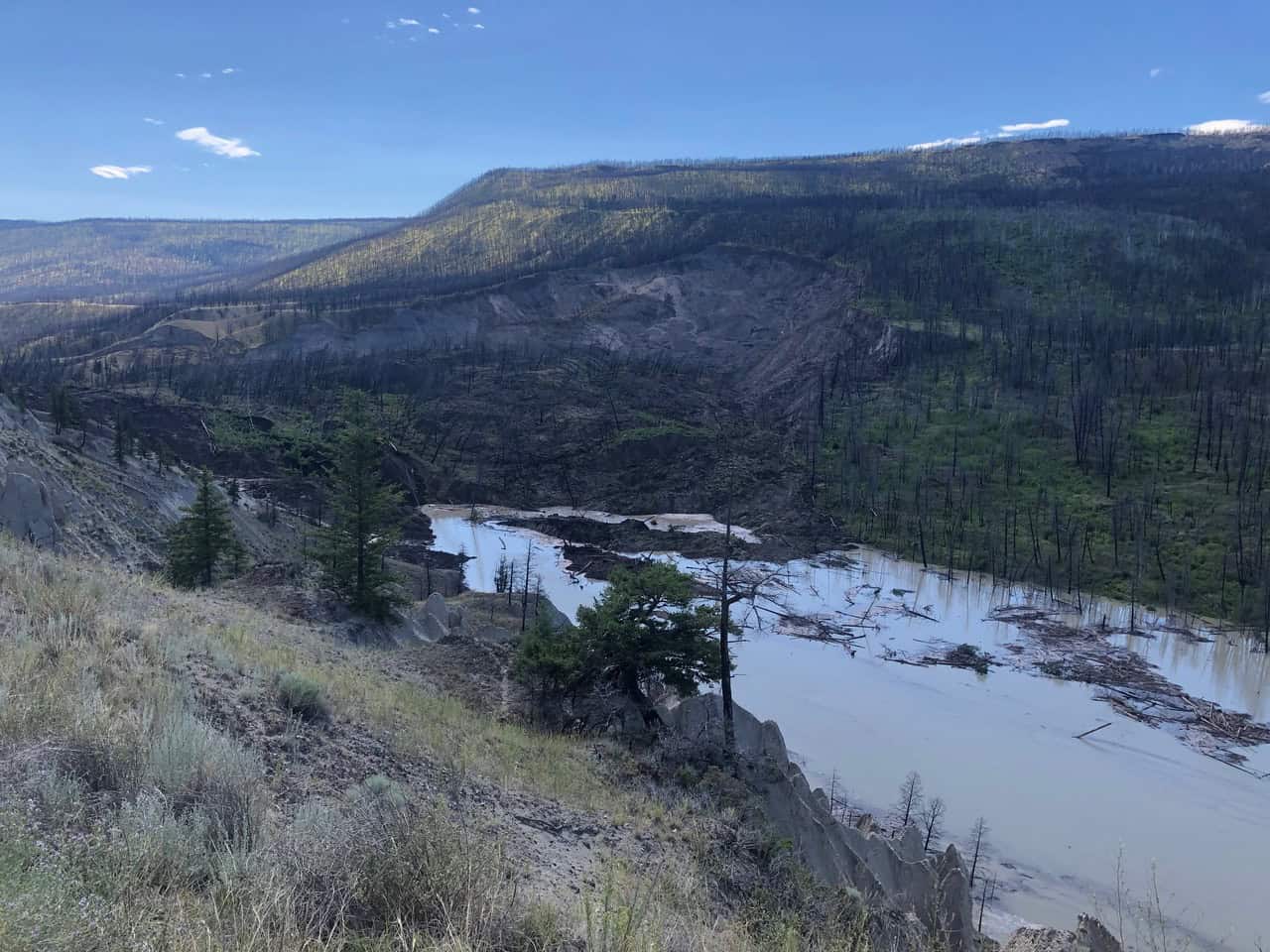
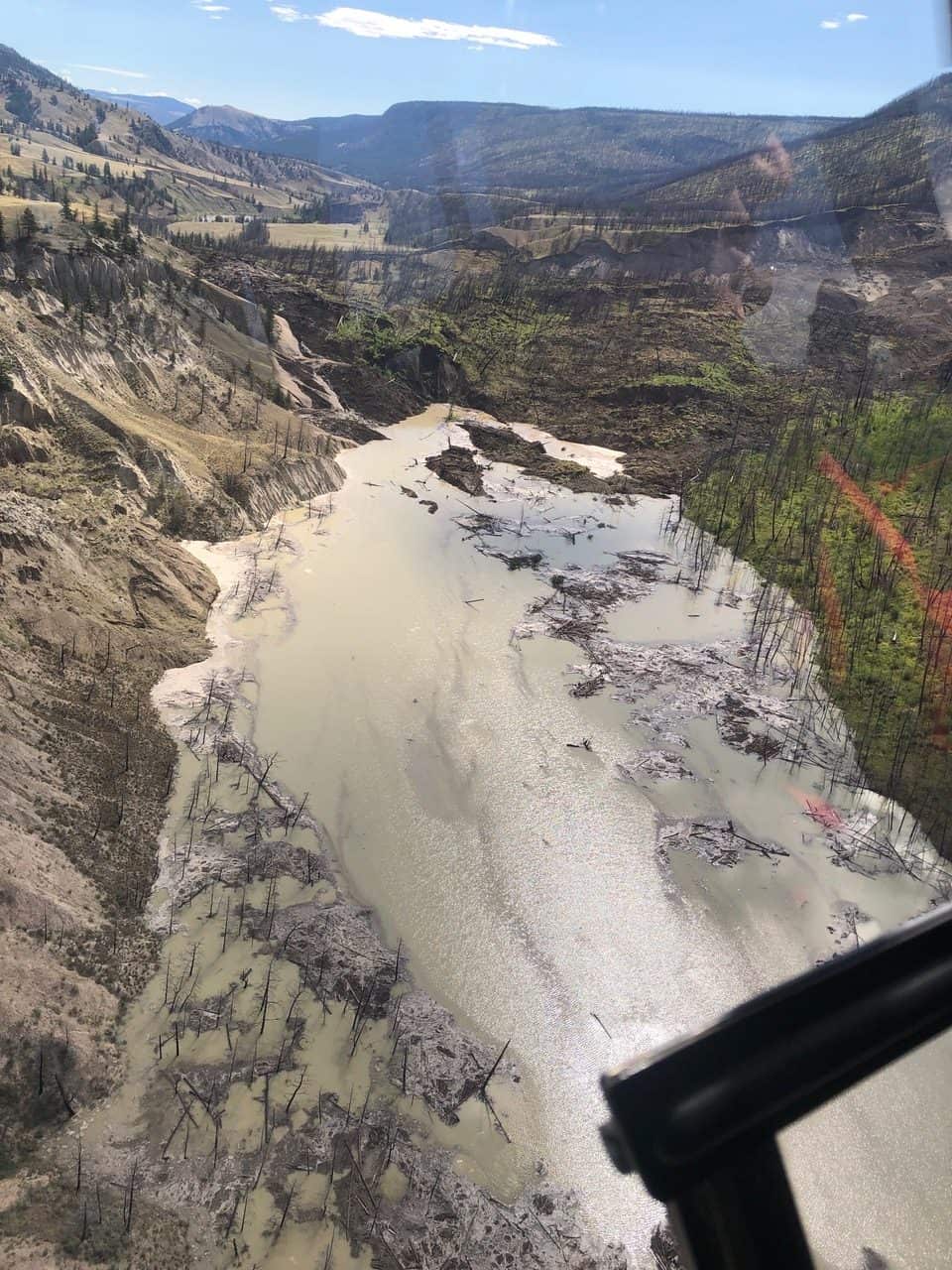
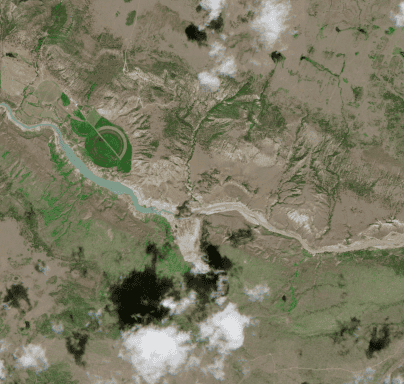
On July 30, 2024, a landslide fully blocked the Tŝilhqox during the key migration period for sockeye and Chinook salmon. The landslide created an 11-kilometre lake upstream of the dam and triggered an extreme breakout flood event that severely altered the critical migratory pathway to all critical salmon spawning grounds in the Tŝilhqox watershed.
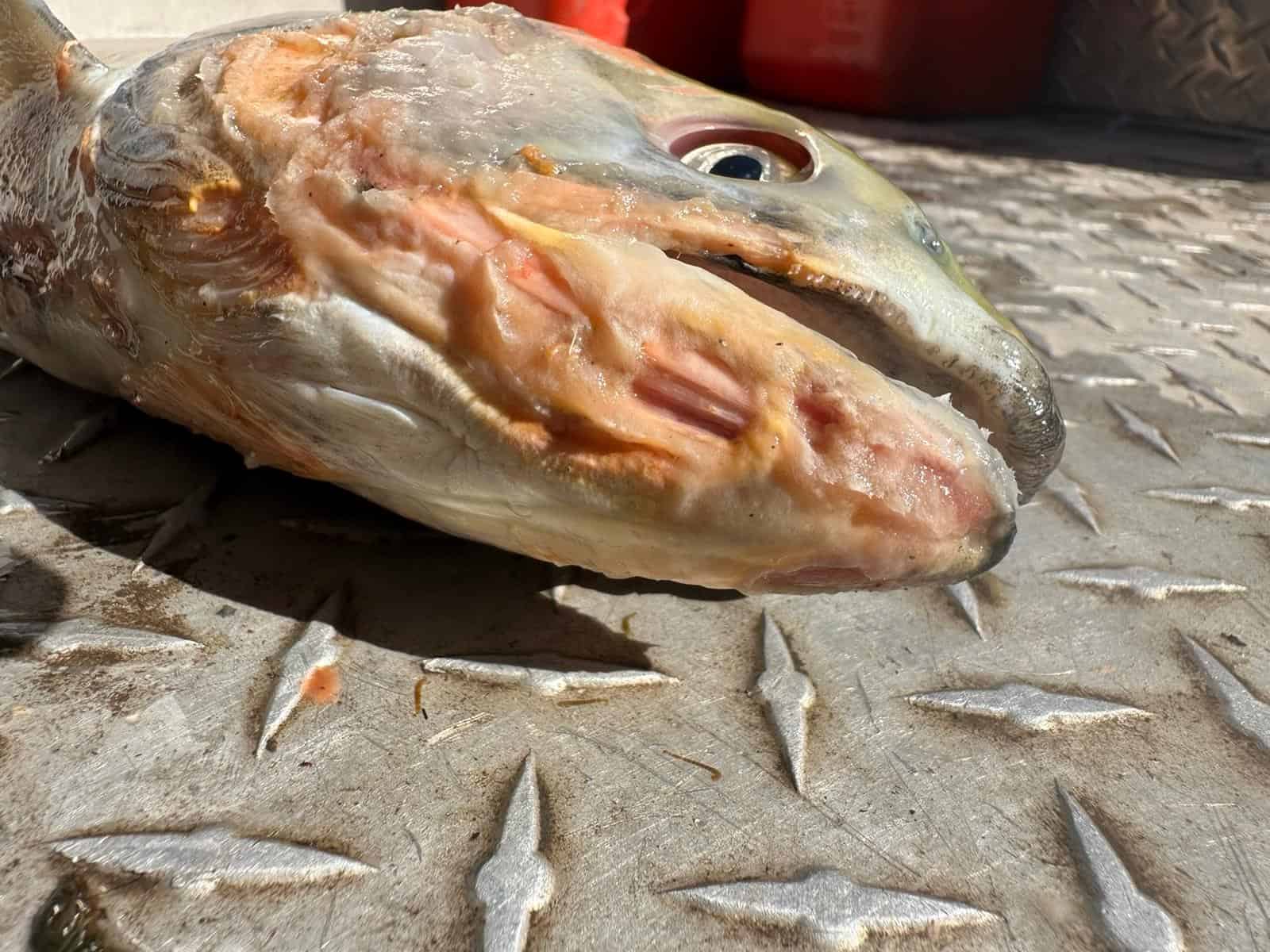
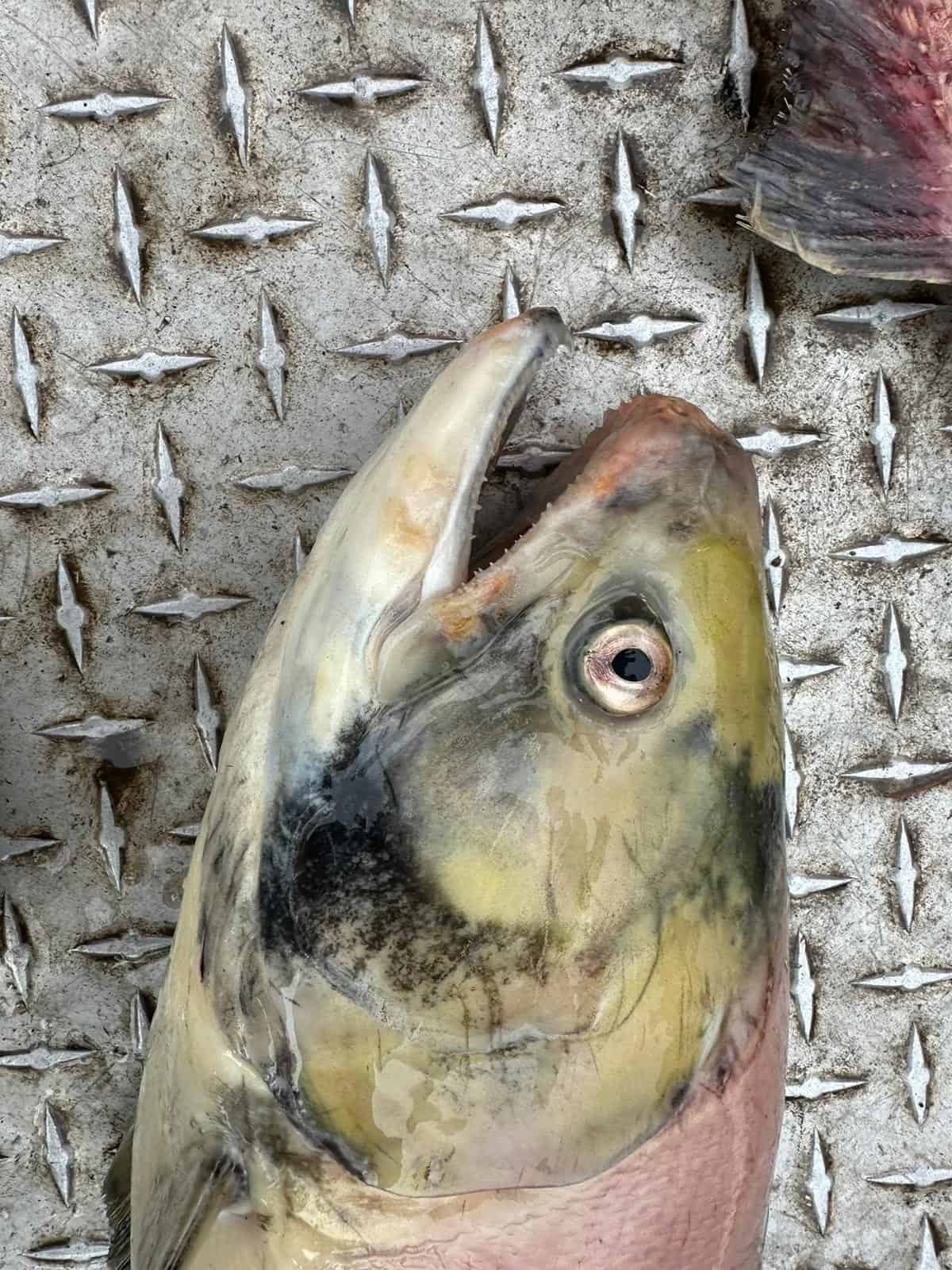
Salmon returning in the 2024 season were heavily impacted. Many fish arrived physically damaged or were unable to reach spawning grounds due to high turbidity and riverbed disruption. This included the iconic Chilko sockeye run, which suffered an estimated record-high 50% mortality loss from the ocean return to spawning grounds.
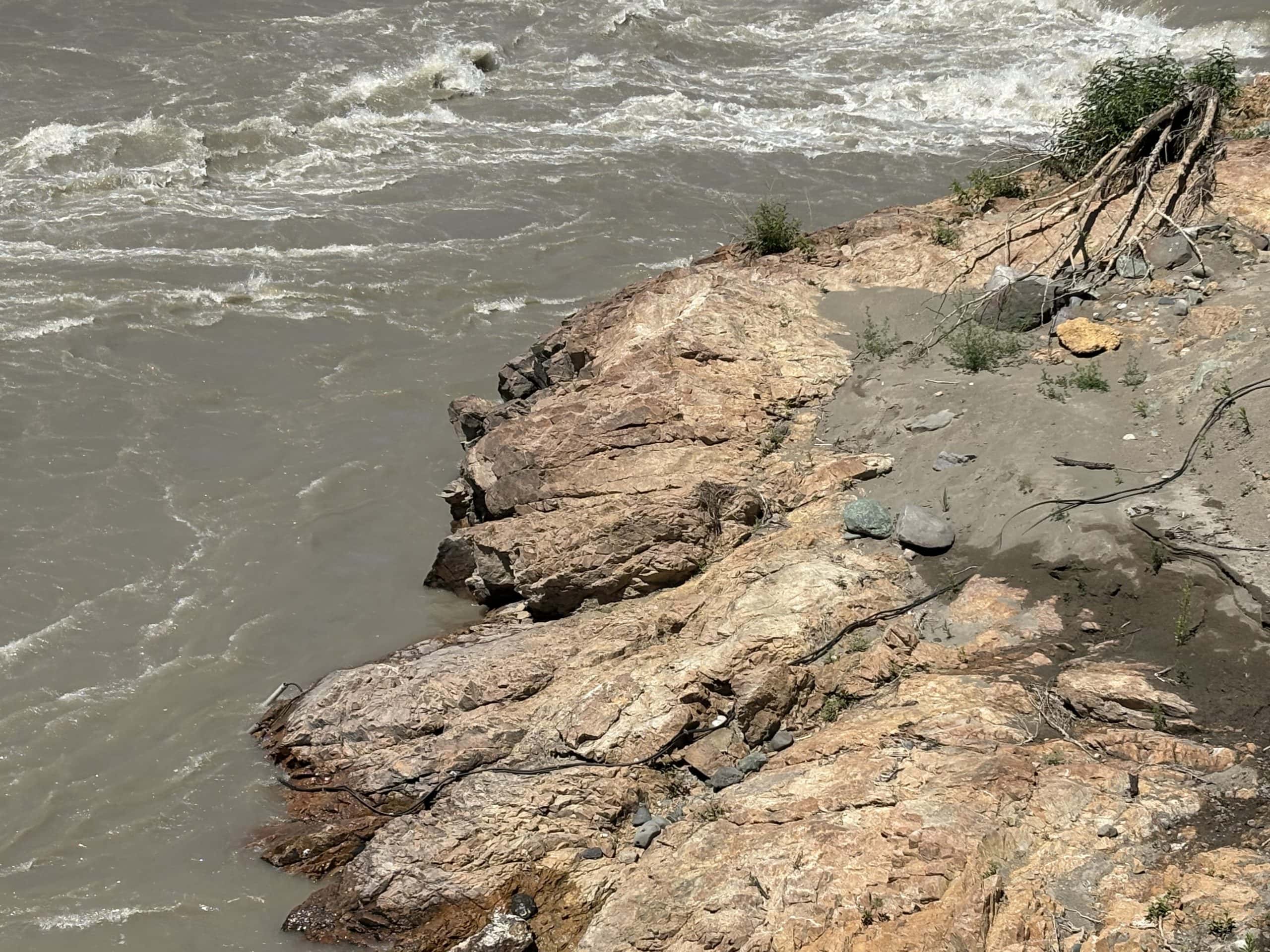
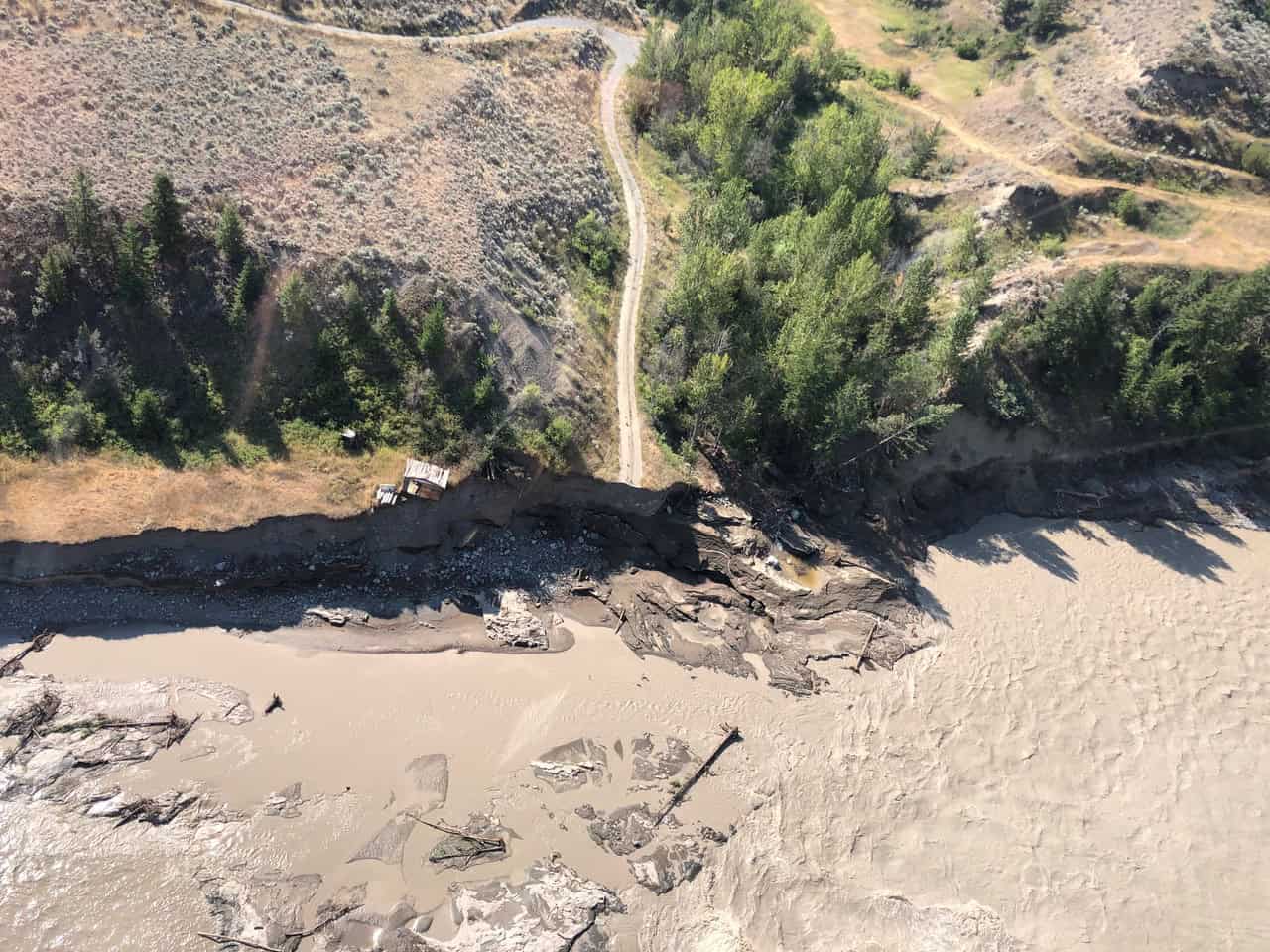
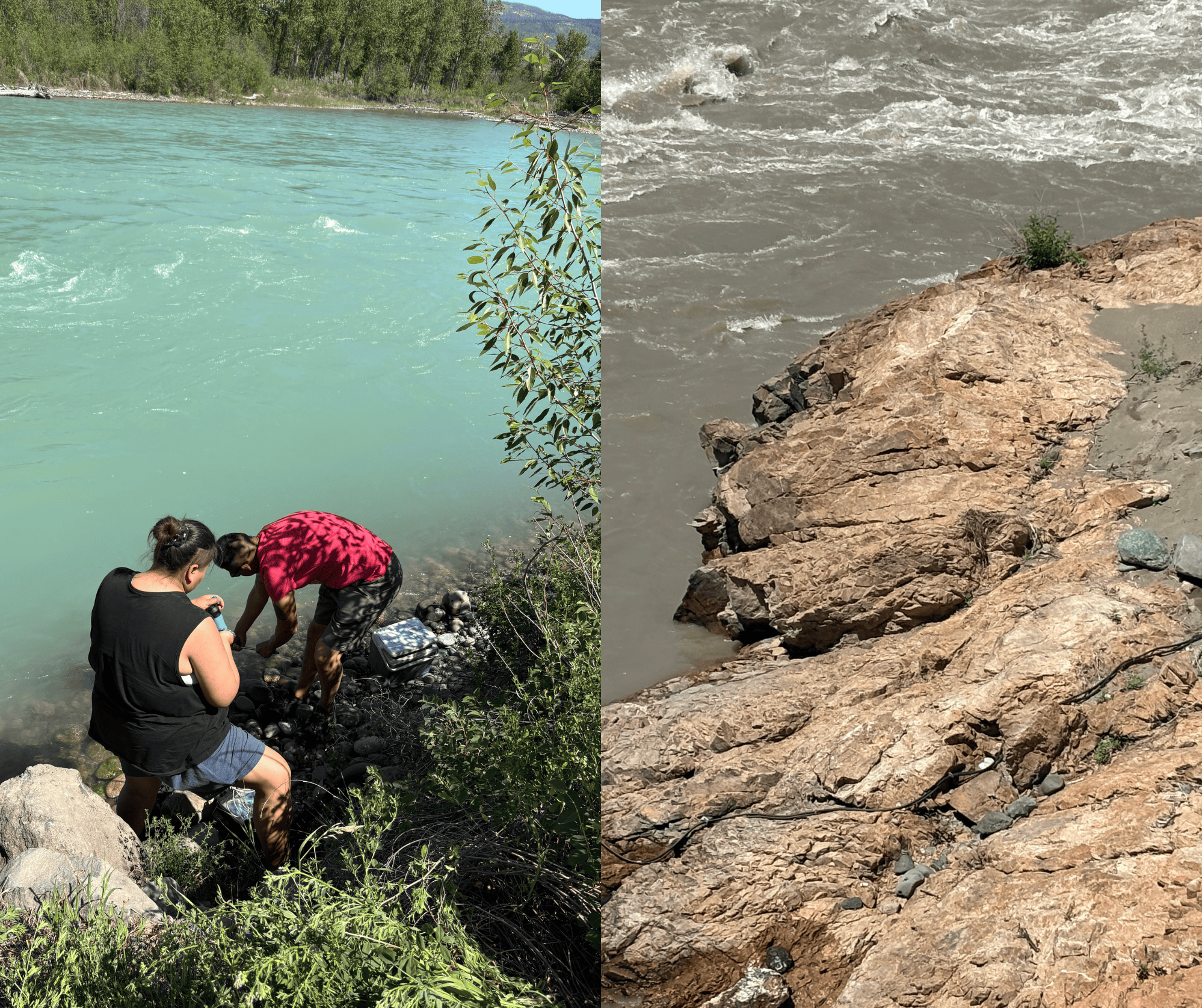
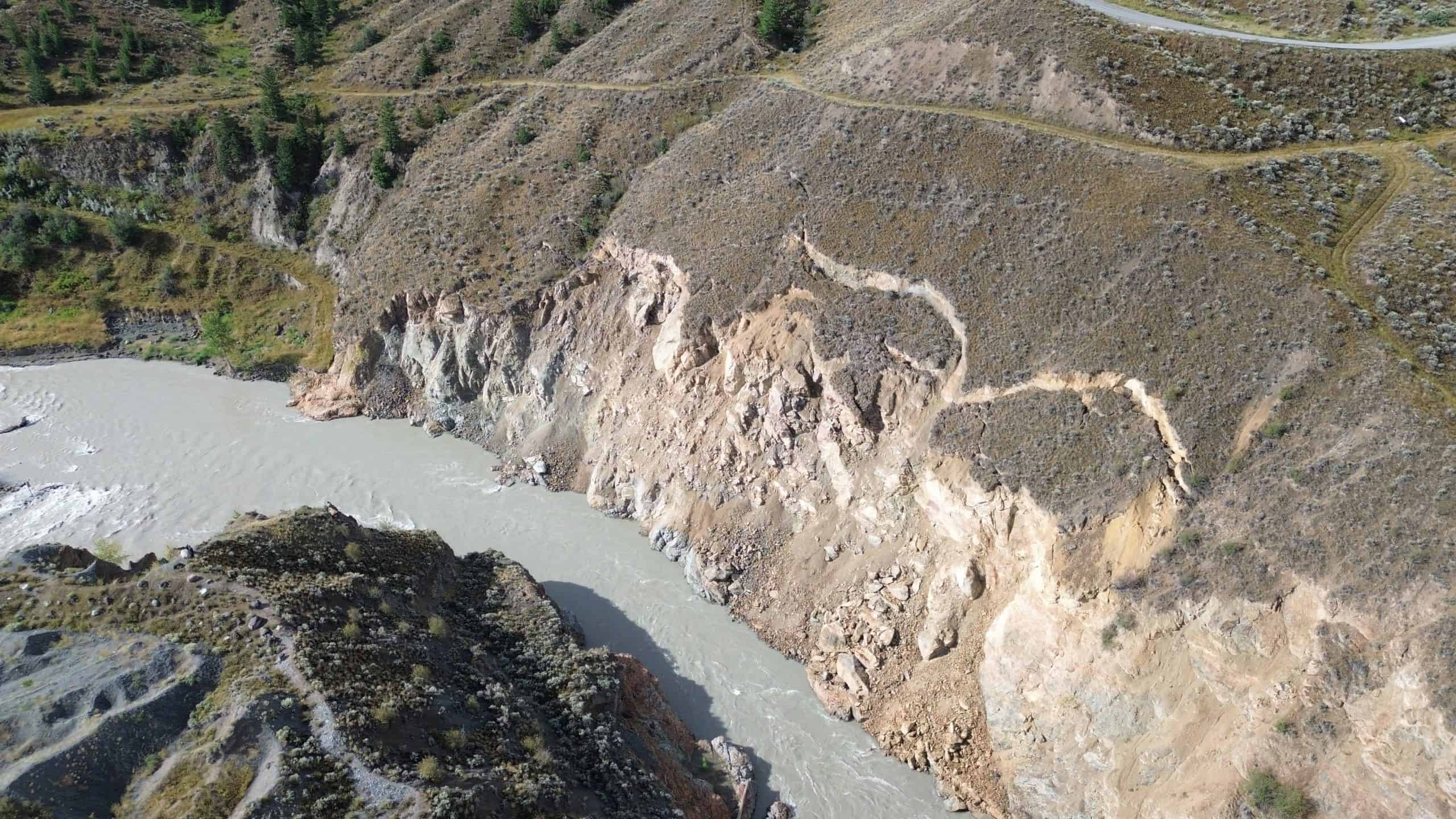
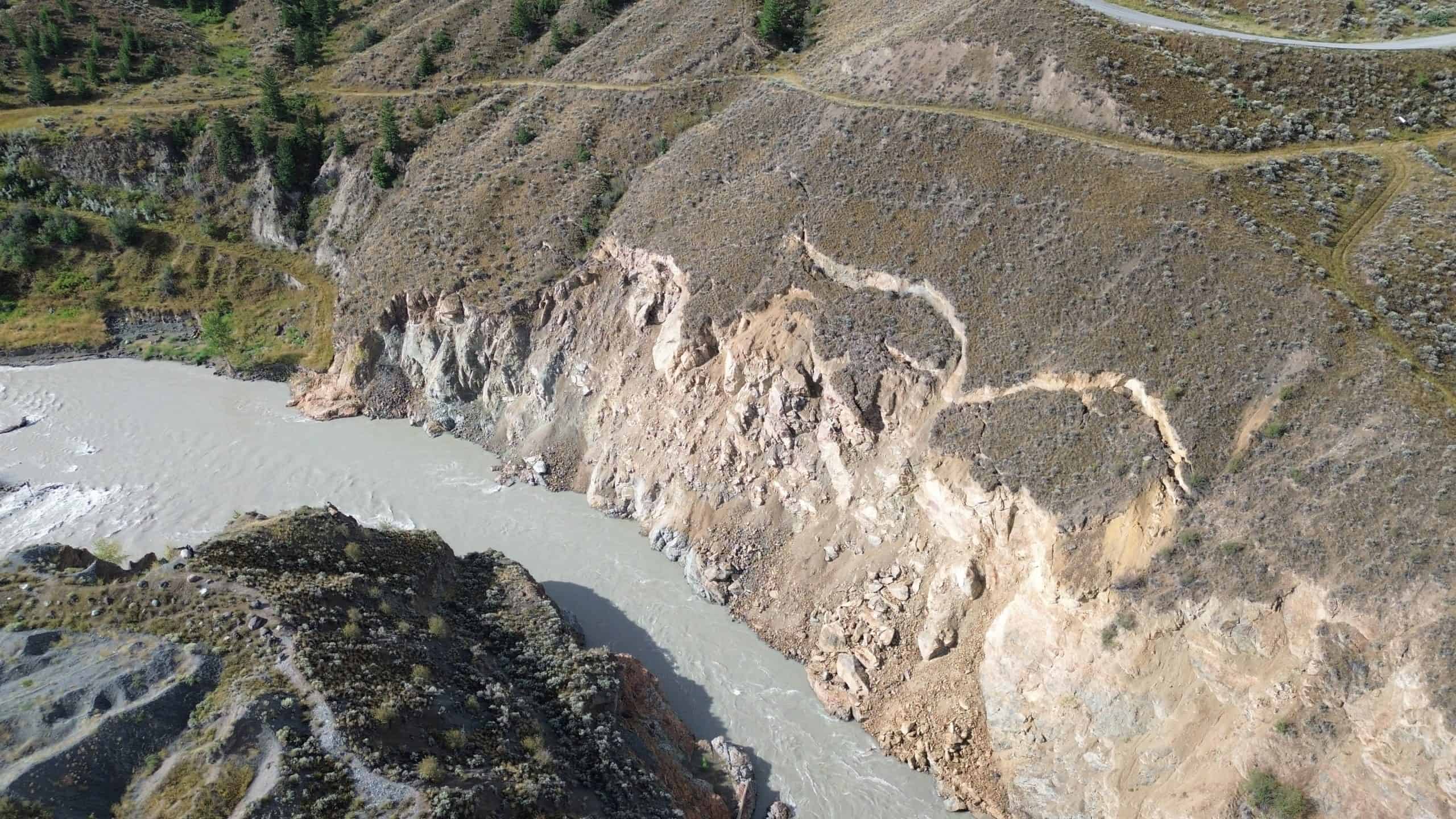
The landslide event resulted in lasting changes to the Tŝilhqox – reshaping the course of the river, depositing sediment into the system, and destabilizing slopes. These conditions create a high risk of further landslides over coming years and ongoing high turbidity levels that continue to affect salmon migration during this 2025 season (verified through TNG’s ongoing monitoring).
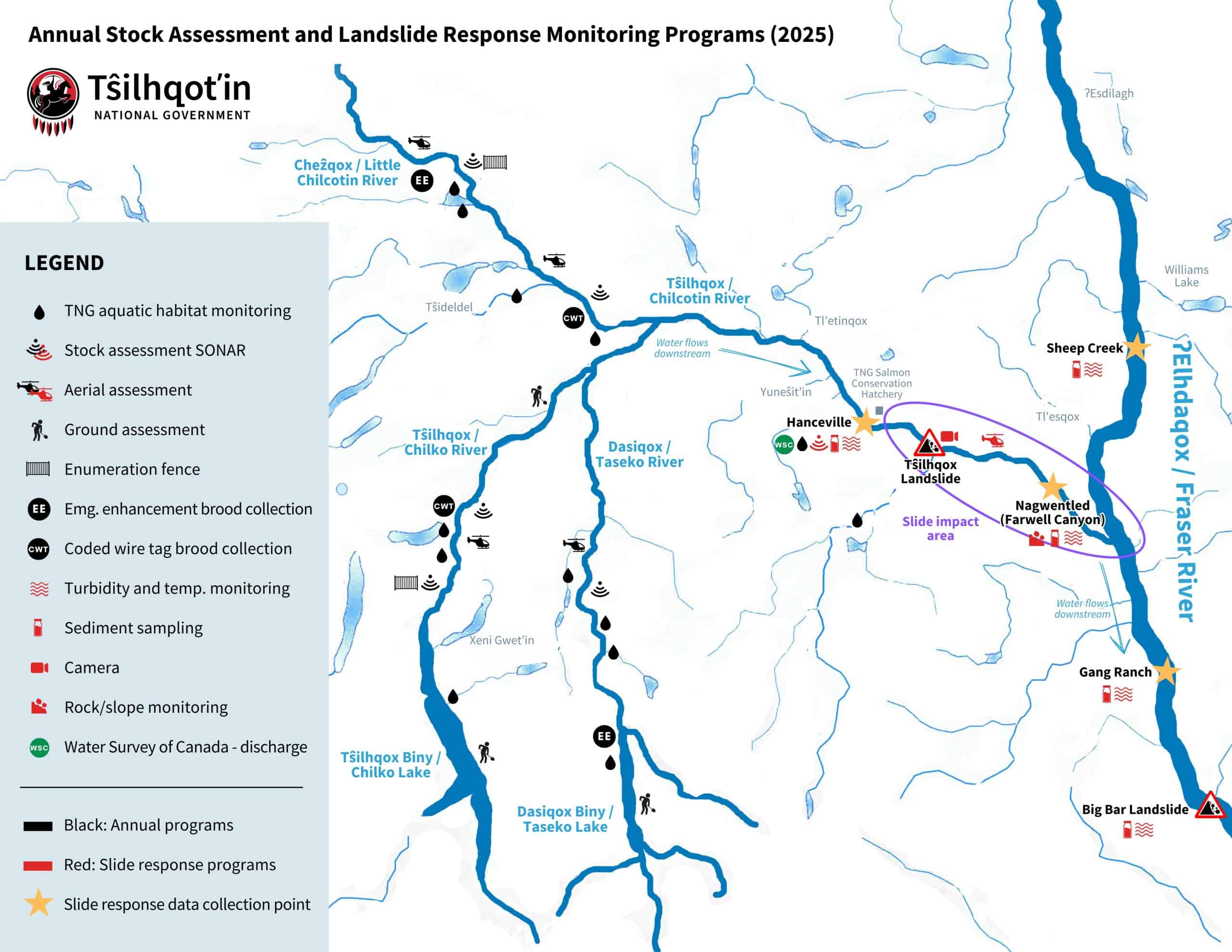
Most notable is a high-risk tension crack that appeared on the slope above Nagwentled (Farwell Canyon) following the breakout flood. There is a high risk that the tension crack will fail in the short term, resulting in a rockslide into the river that will likely impact fish passage and has the potential to cause blockage to salmon migration past Farwell Canyon – comparable to the effects of the 2019 Big Bar landslide on the Fraser River.
Facing these ongoing impacts and risks, TNG continues to lead a celebrated model for First Nations-led collaboration and emergency response – the Emergency Salmon Task Force, a tripartite group comprised of TNG, BC and DFO technical representatives, and Indigenous technical partner the Upper Fraser Fisheries Conservation Alliance. The Emergency Salmon Task Force has continued to meet regularly since the 2024 landslide to assess and address in-season risks to salmon returning in 2025, and at the same time proactively develop options to reduce or remove future risks of landslides and rockfall. Recognizing the ongoing risks from the landslide, the Pacific Salmon Commission has integrated the Task Force’s ongoing in-season Chilcotin landslide monitoring data into its in-season analyses that drives Fraser sockeye management at the highest level.
The Tŝilhqox Watershed is a recognized salmon stronghold of global importance. A year after the landslide, the effects of the slide are not over, and the time to act is now. The Tŝilhqot’in Nation recognizes and appreciates the excellent support and collaboration we have received from governments and NGOs immediately following the slide. We call on Canada, the US, and the Pacific Salmon Commission to work with us to continue to prioritize and proactively address threats from the landslide that could result in catastrophic impacts on these salmon stocks of regional and international significance if timely actions are not taken.