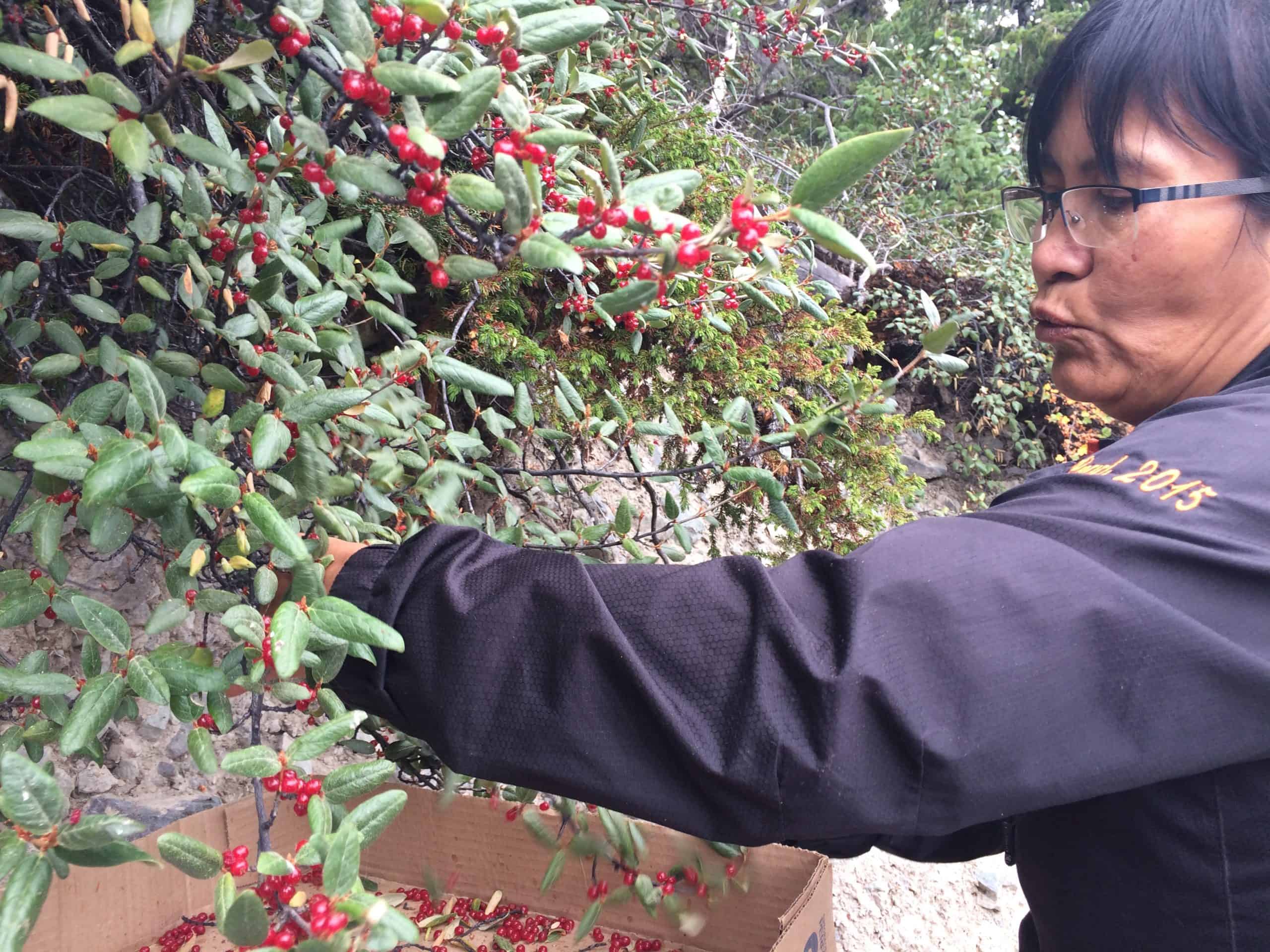
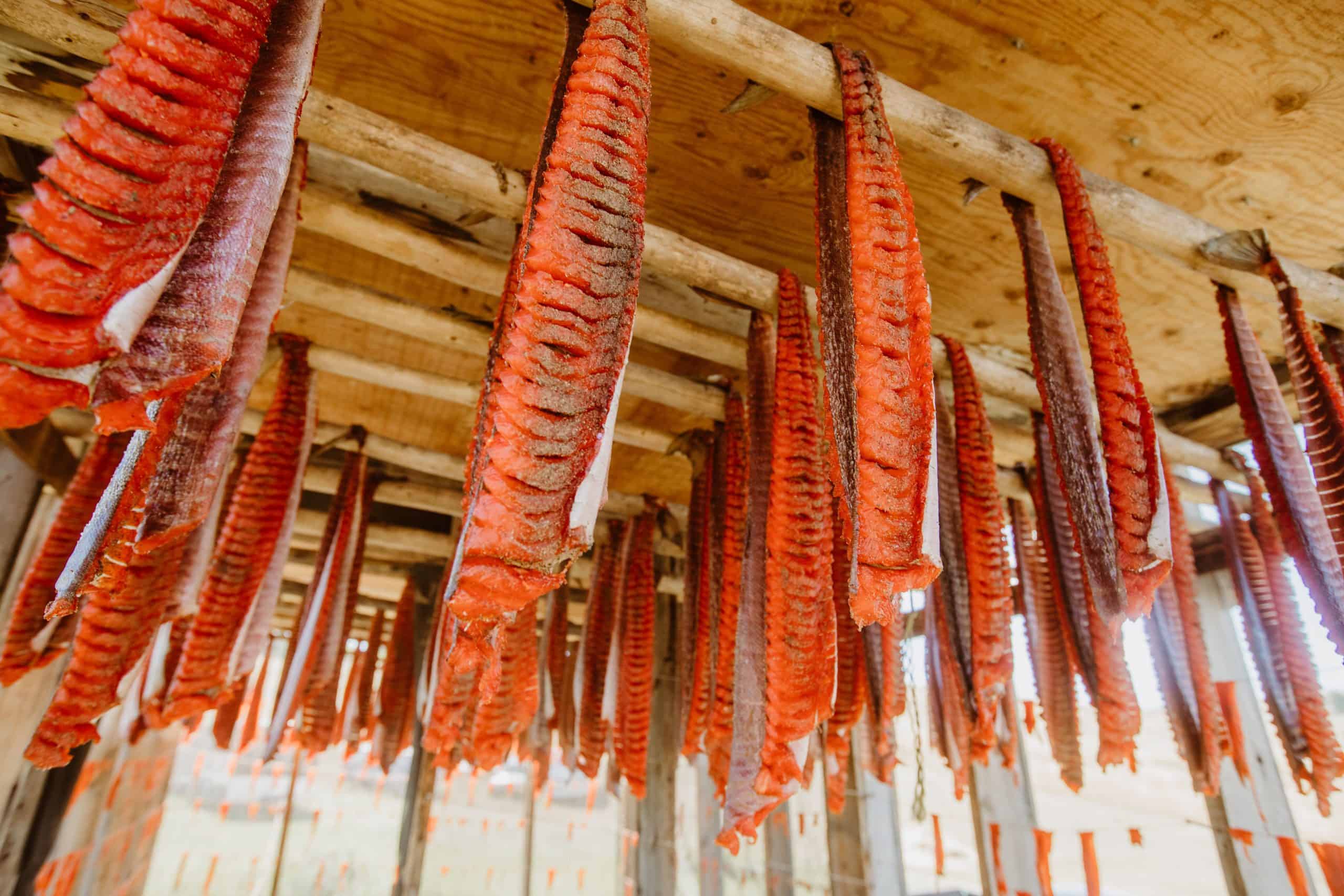
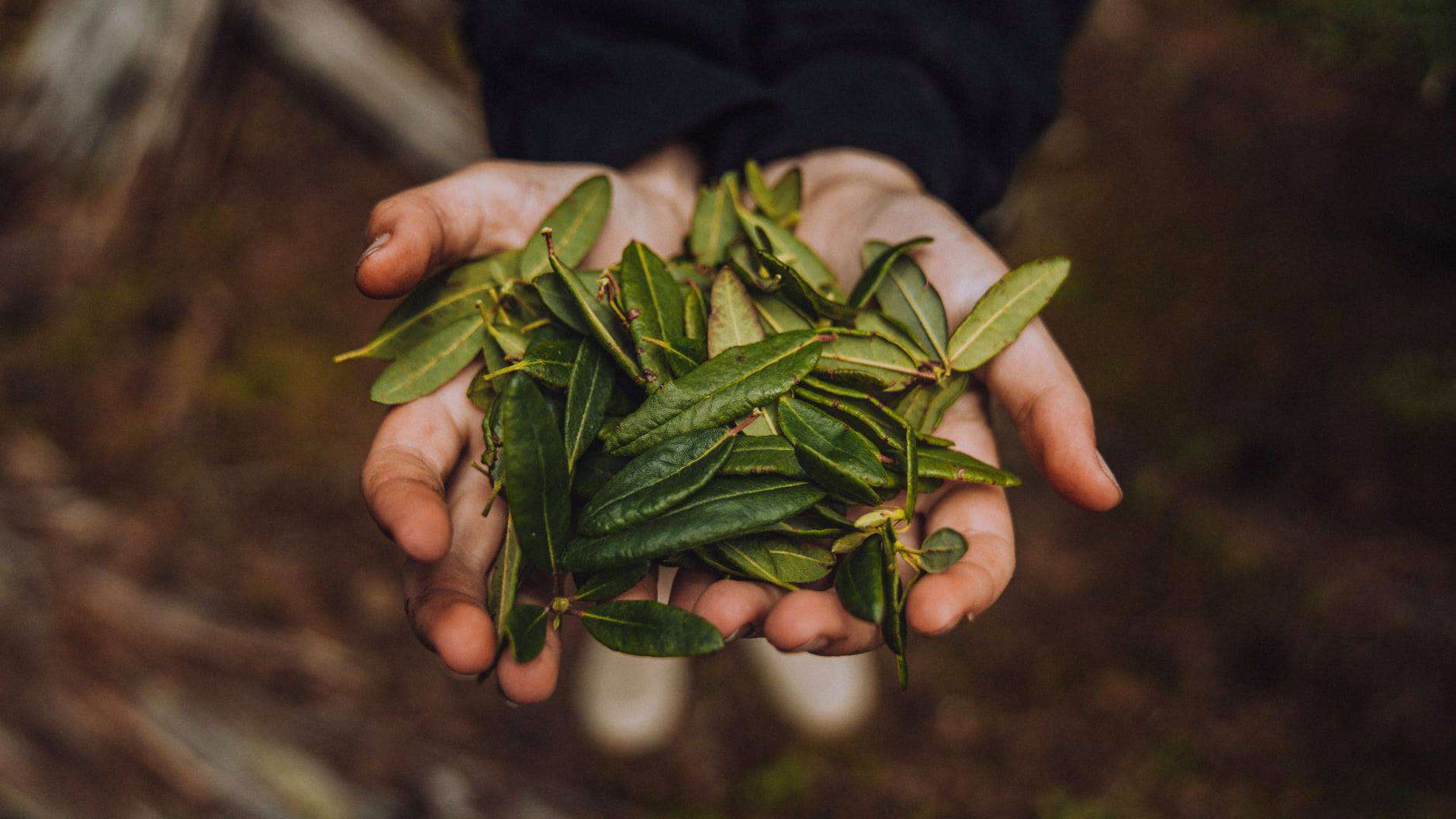
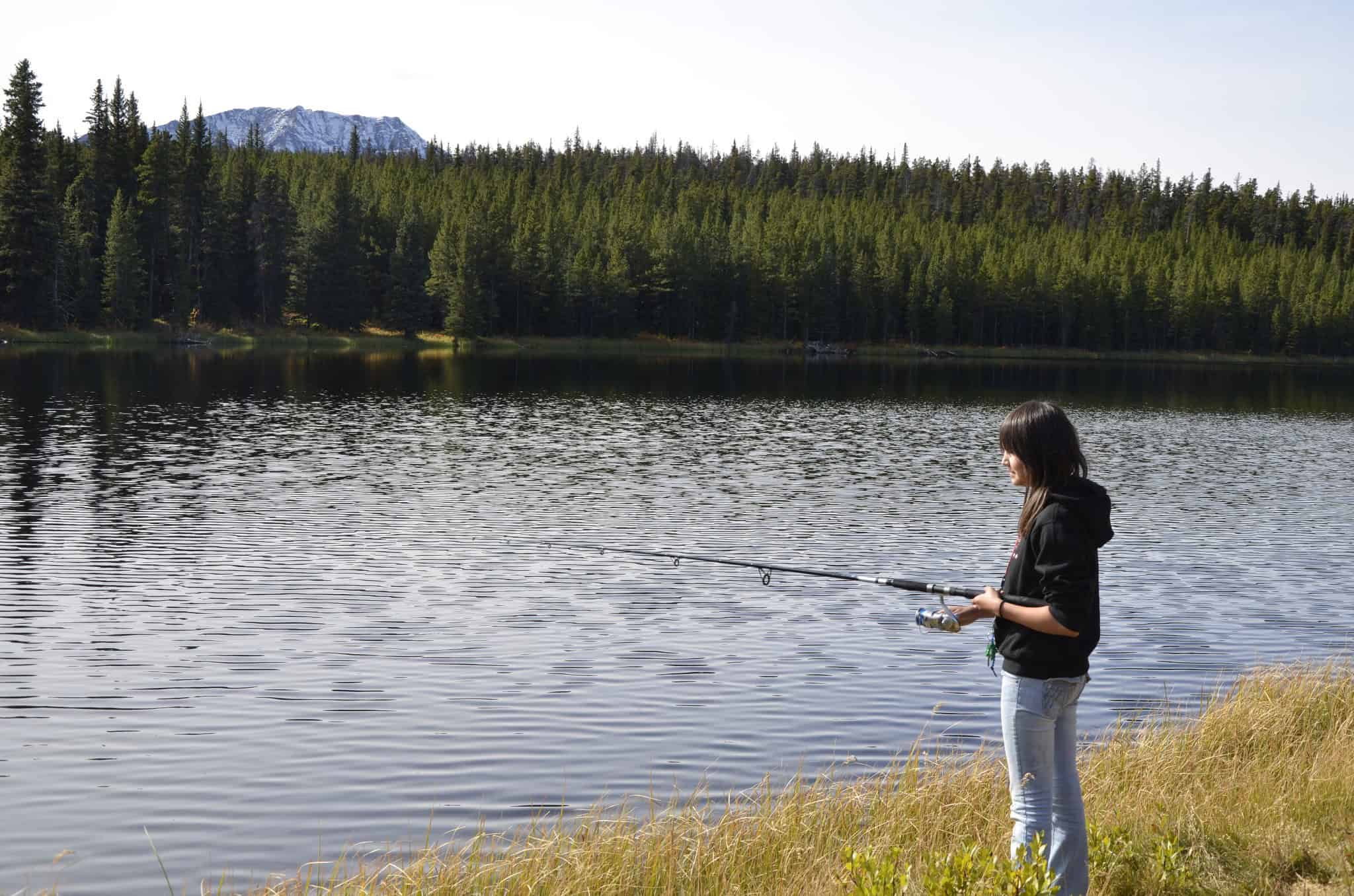
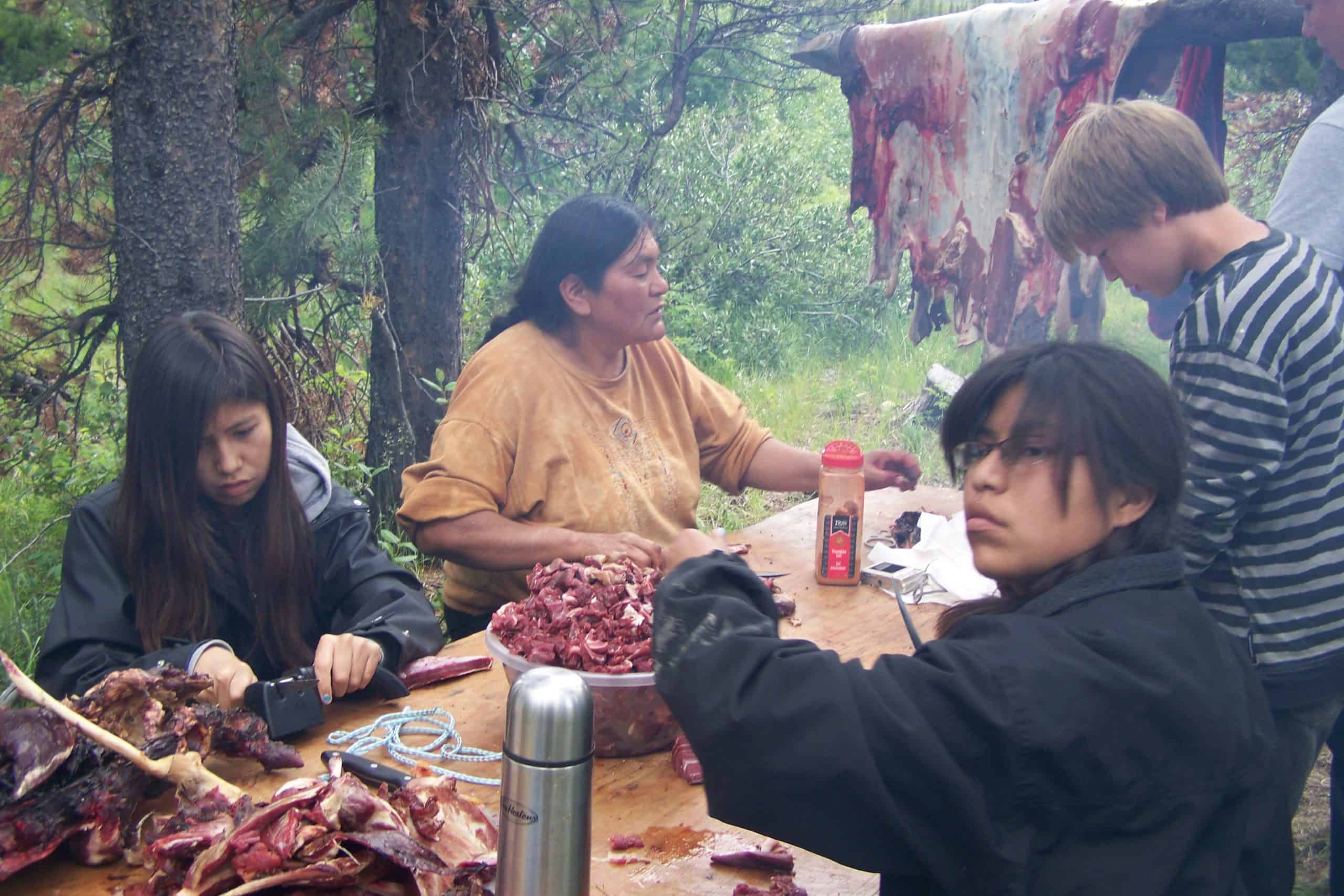
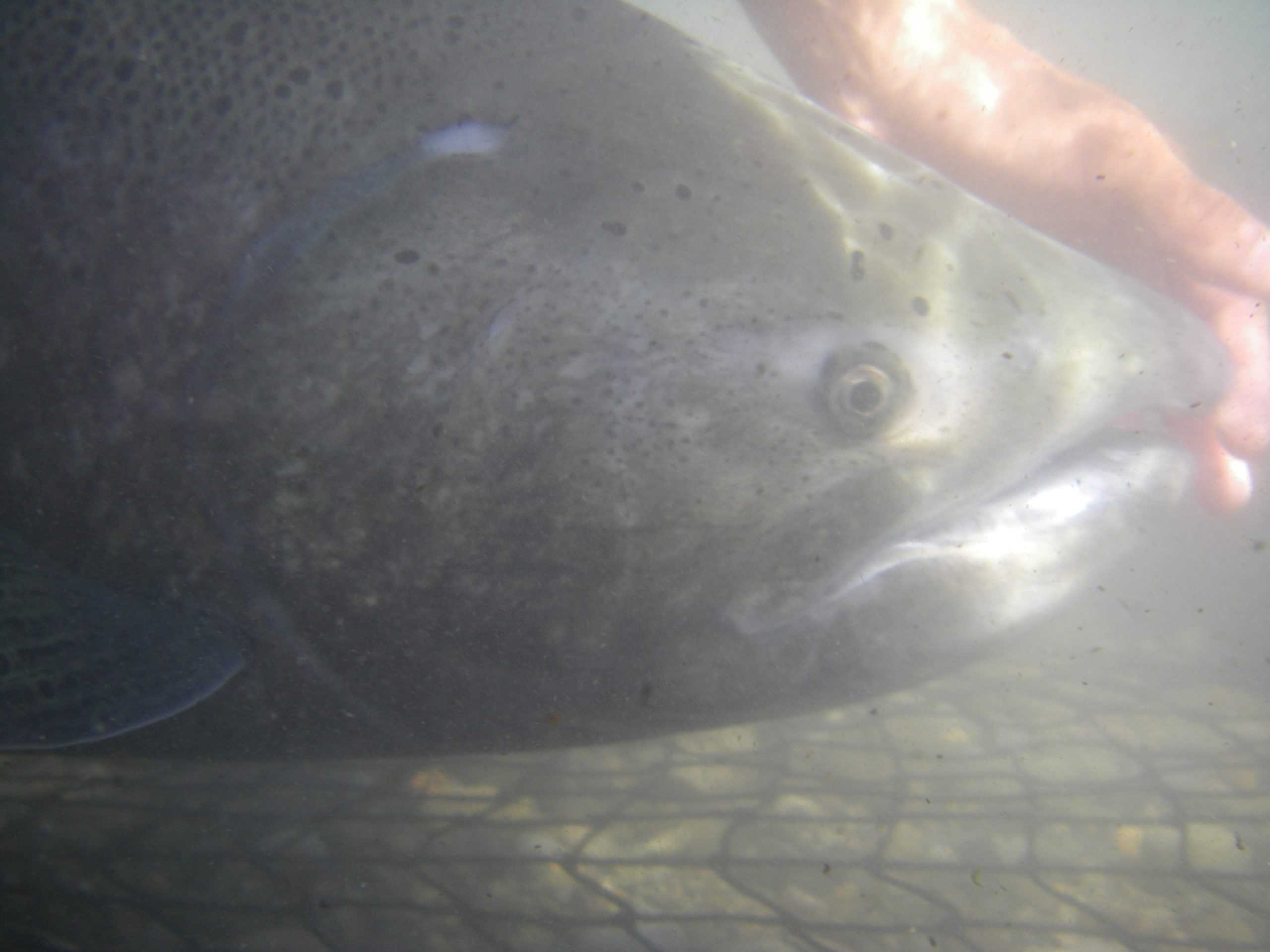
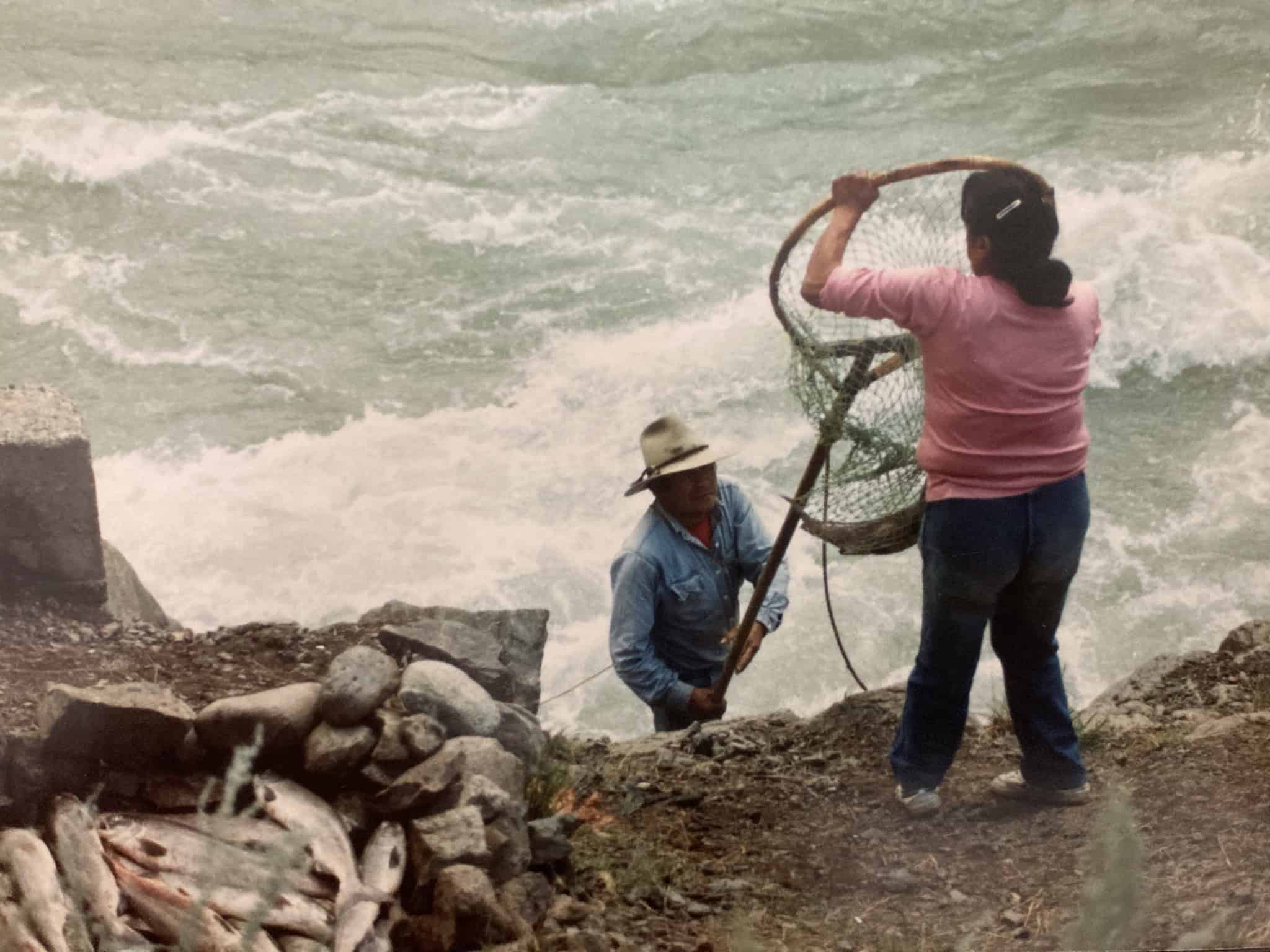
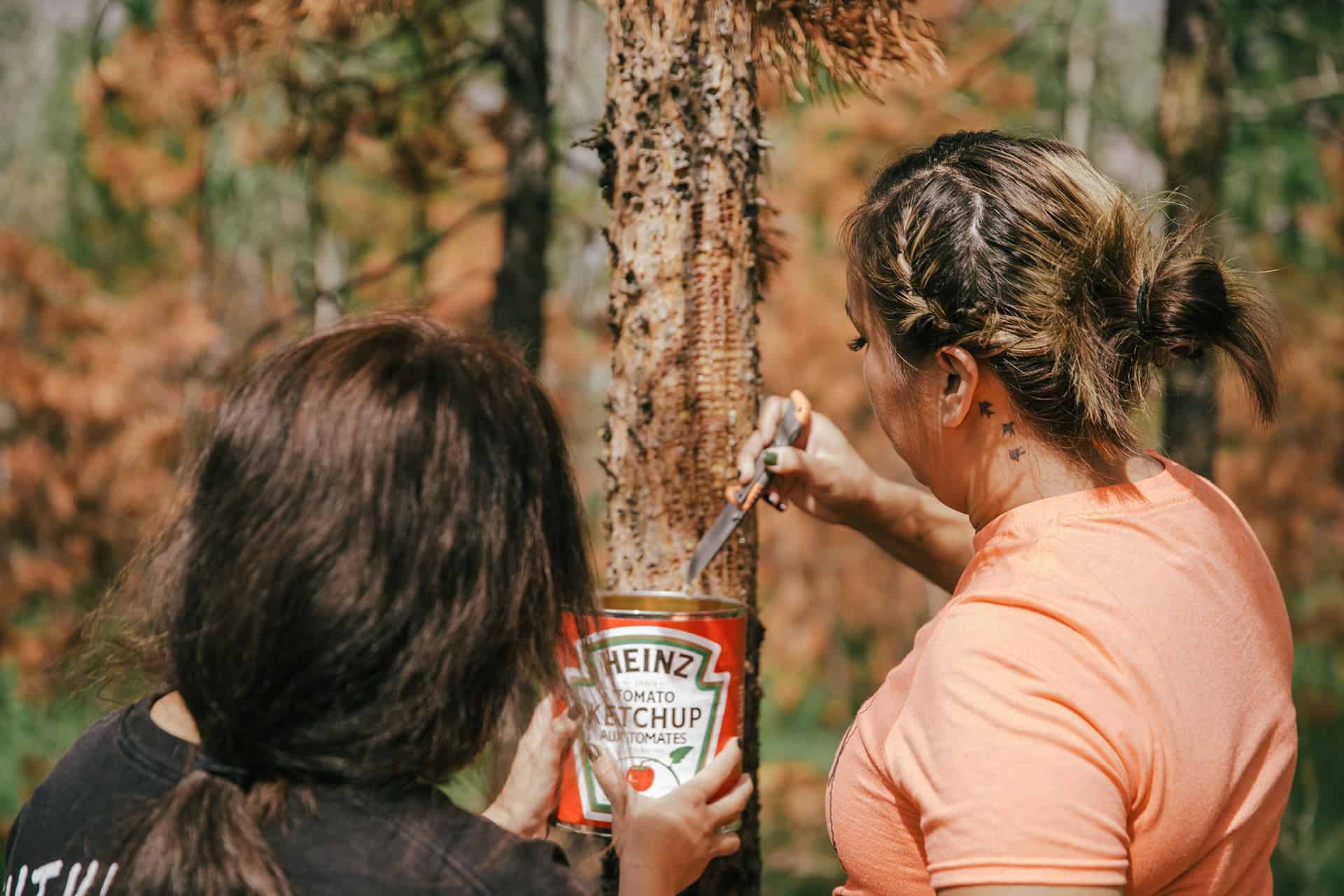
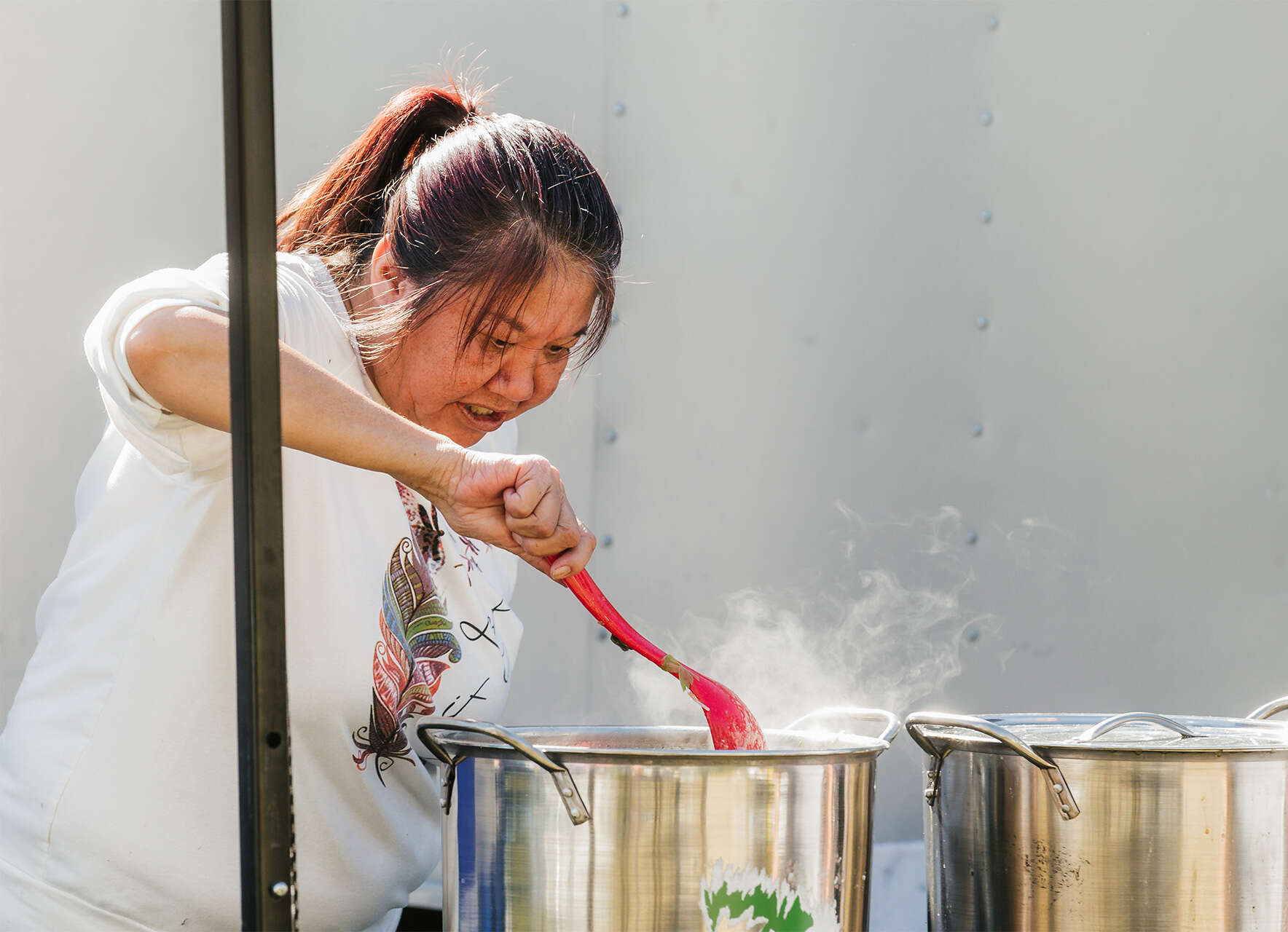
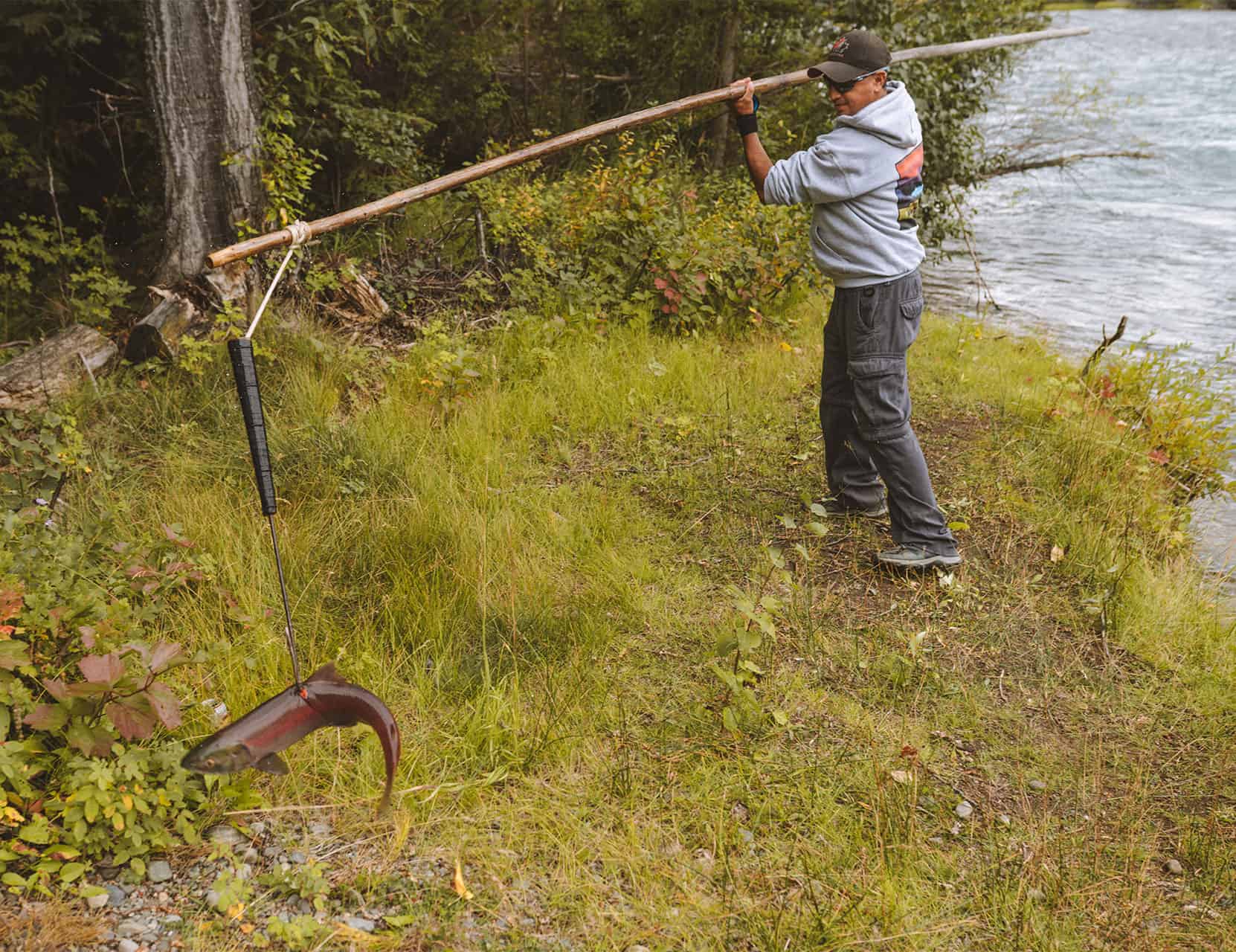
The Tŝilhqot’in lived off the land and survived for centuries by moving with the seasons and trading for resources. Hunting, fishing, gathering, preserving foods and medicines, and making tools, clothing, art and musical instruments from natural sources remain a part of the Tŝilhqot’in Nation’s identity. The Tŝilhqot’in National Government is continually developing strategies to address access, availability, and stability in traditional and modern food resources and materials used for traditional practices. By sharing traditional knowledge and continuously learning, the Nation is working to ensure practices are sustainable so that the land will continue to support the health and wellbeing of people who depend on it for survival.
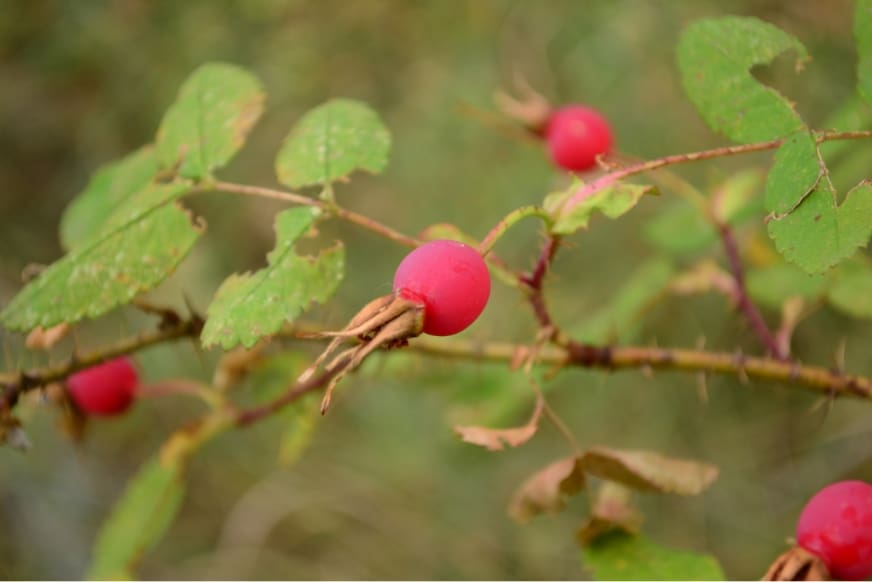
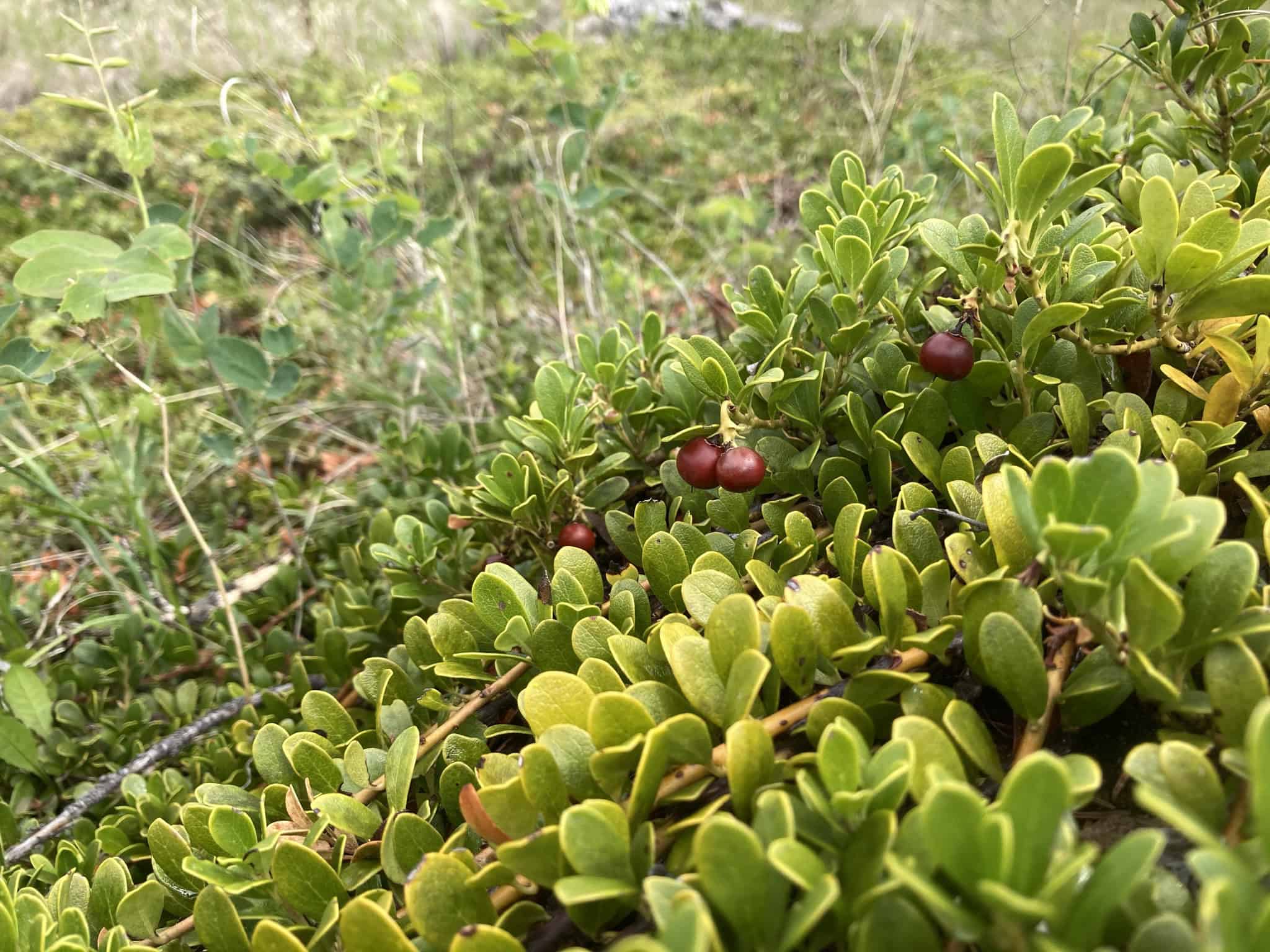
Rose hip
Climate Change and Traditional Food
The impacts of climate change on food systems are being felt across the globe and locally in Tŝilhqot’in Territory. Changes in seasonal and annual temperature, shifts in precipitation pattern, melting glaciers and worsening wildfire seasons are all impacting livelihoods and food systems. By building on the knowledge of the Nation, using existing datasets, building new datasets and through analysis and modelling, the Tŝilhqot’in National Government is working to develop tools and adaptive approaches to address and prepare for how climate change is impacting both traditional and modern food systems.
Image Gallery
The Tŝilhqot’in National Government is addressing food security and sovereignty challenges by addressing changes in climate, infrastructure gaps, and other human caused impacts to the Tŝilhqot’in peoples ability to access traditional food sources.